
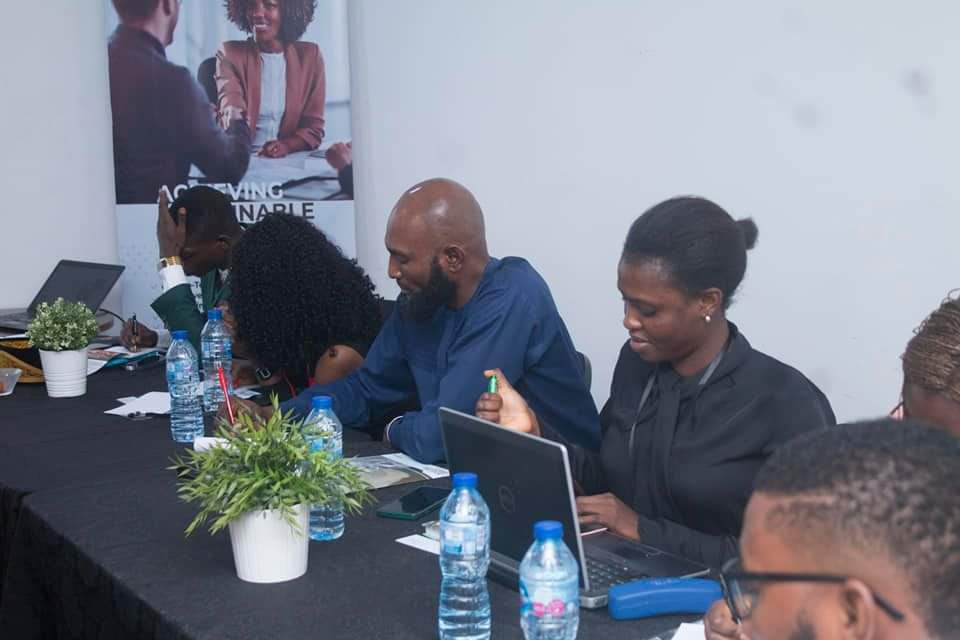
Great leaders do not simply demand better performance; they help people develop the capability to deliver it.
Every business leader wants a team that delivers results, takes initiative and works effectively without constant supervision.
Yet many organisations struggle with missed deadlines, unclear responsibilities, poor communication and employees who depend on management for every decision.
The problem is not always a lack of talent.
A high-performing team is built through clear goals, strong leadership, trust, accountability and consistent execution.
As businesses grow, leaders must move beyond managing individual tasks to building systems that help people succeed together.
Here are seven practical ways to build a high-performing team.
1. Set Clear Goals and Expectations
People perform better when they understand what success looks like.
Statements such as “We need to improve performance” or “Everyone should work harder” are too vague to guide daily decisions.
Instead, define specific outcomes that matter to the business.
These may include:
- Increasing sales conversion
- Improving customer satisfaction
- Reducing operational errors
- Delivering projects on time
- Improving employee productivity
Every team member should understand their responsibilities and how their work contributes to these goals.
What leaders should do
Identify three to five priorities for the team and communicate them clearly.
Agree on measurable results, deadlines and individual responsibilities.
Review progress regularly so employees know whether their efforts are producing the expected outcomes.
Clarity reduces confusion and allows people to focus on what matters most.
2. Define Roles and Empower Decision-Making
One common obstacle to team performance is unclear responsibility.
When employees do not know who owns a task or who has authority to make a decision, work slows down.
Issues are repeatedly escalated to senior management, and employees become hesitant to act independently.
What leaders should do
Clarify who is responsible for important activities, who makes decisions and when approval is required.
Give capable employees authority to handle routine decisions within agreed boundaries.
Delegation does not mean abandoning oversight. It means providing the standards, resources and trust people need to deliver results.
A strong team should continue making progress even when the leader is unavailable.
3. Build Trust Without Sacrificing Accountability
High-performing teams need an environment where employees can communicate openly.
People should feel comfortable raising concerns, asking questions, acknowledging mistakes and offering suggestions.
When employees fear embarrassment or punishment, they may hide problems until those problems become more expensive to resolve.
However, trust should not mean ignoring poor performance.
What leaders should do
Encourage respectful disagreement and honest feedback.
Listen when employees identify risks or challenge assumptions.
At the same time, establish clear expectations for quality, deadlines, behaviour and commitments.
When mistakes occur, focus first on understanding what happened and preventing recurrence.
The strongest teams combine psychological safety with high performance standards.
4. Improve Communication and Team Coordination
Poor communication creates delays, duplicated work and unnecessary conflict.
Employees may be working hard individually while moving in different directions.
A high-performing team needs reliable communication, particularly when people work across departments, offices or locations.
What leaders should do
Introduce simple communication practices:
- Hold focused weekly priority meetings.
- Agree on appropriate communication channels.
- Document important decisions.
- Clarify deadlines and handover requirements.
- Establish a process for escalating urgent issues.
Avoid unnecessary meetings that interrupt productive work.
Every meeting should have a clear purpose and end with agreed actions.
Good communication is not about talking more. It is about ensuring the right information reaches the right people at the right time.
5. Invest in Coaching and Continuous Development
Hiring talented employees is important, but talent alone does not guarantee sustained performance.
People need opportunities to improve their skills, learn from experience and receive constructive feedback.
Unfortunately, some managers spend most of their time assigning tasks and reviewing results without developing their employees.
What leaders should do
Make coaching part of normal work.
Use real challenges to develop practical skills.
For example:
- Sales teams can practise negotiation and objection handling.
- Customer service teams can improve complaint resolution.
- Managers can develop delegation and feedback skills.
- Project teams can review lessons from completed assignments.
Encourage employees to share knowledge and learn from one another.
Short, regular coaching conversations can be more useful than training that is never applied.
Great leaders do not simply demand better performance; they help people develop the capability to deliver it.
6. Address Performance Problems Early
Ignoring performance problems rarely makes them disappear.
When missed deadlines, poor-quality work or repeated mistakes are left unaddressed, they can affect the entire team.
However, leaders should avoid assuming every performance issue is caused by laziness or poor attitude.
The underlying problem may be inadequate training, unclear instructions, excessive workload or an ineffective process.
What leaders should do
Give feedback that is specific and based on observable behaviour.
Rather than saying, “You need to be more proactive,” explain what needs to change and why.
For example:
“The customer report was submitted two days late, which delayed our decision. What support or changes would help ensure the next report arrives on time?”
Identify whether the issue involves capability, resources, motivation, workload or clarity.
Then agree on a practical improvement plan.
Effective accountability should produce better performance, not simply more pressure.
7. Establish a Consistent Performance Review System
High-performing teams do not wait until the end of the year to discover whether they are succeeding.
They monitor progress, identify obstacles and make adjustments regularly.
Without a consistent review process, leaders may rely too heavily on assumptions or individual opinions.
What leaders should do
Create a simple team performance scorecard.
Depending on the department, it may track:
- Delivery against agreed goals
- Quality of work
- Customer satisfaction
- Project completion
- Productivity
- Follow-through on commitments
Hold short weekly reviews to discuss progress and obstacles.
Use monthly reviews to examine broader performance trends and improvement opportunities.
The purpose is not to create excessive reporting. It is to make performance visible and support better decisions.
A Practical 30-Day Team Performance Improvement Plan
You do not need a complicated transformation programme to begin improving team effectiveness.
Start with a focused 30-day plan.
Week 1: Clarify Goals
Agree on the team’s three most important outcomes.
Identify the obstacles preventing employees from achieving them.
Week 2: Improve Responsibility
Review roles, decision-making authority and handover processes.
Remove unnecessary confusion and delays.
Week 3: Strengthen Communication and Coaching
Introduce a focused weekly meeting, regular feedback and practical coaching conversations.
Week 4: Review and Improve
Evaluate what has changed.
Ask employees which processes are working better, which challenges remain and what should be improved next.
Continue the practices that produce meaningful results.
Five Questions Every Business Leader Should Ask
Before your next team meeting, consider these questions:
- Does everyone understand what success looks like?
- Are responsibilities and decision-making rights clear?
- Can employees raise problems without fear?
- Are managers developing people or simply assigning tasks?
- Can the team maintain performance when the leader is unavailable?
Your answers may reveal the most important opportunities for improvement.
Final Thought: Build Capability, Not Dependency
A high-performing team is not created by hiring talented people and expecting results to happen automatically.
It requires intentional leadership, clear expectations, effective communication, continuous development and consistent accountability.
When these elements work together, employees become more confident, decisions improve and the organisation becomes less dependent on constant management intervention.
The true measure of leadership is not how much the leader personally accomplishes, but what the team becomes capable of achieving.
Is Your Team Ready for the Next Stage of Growth?
At Virtual Domain, we help organisations strengthen leadership capability, management effectiveness and team performance.
If unclear responsibilities, weak execution or leadership challenges are limiting your business growth, identifying those constraints is an important first step.
Explore the VD Growth Blueprint to discover where your organisation needs to strengthen its people, leadership and execution capabilities.